It’s that time of year! The holidays are for family memories, good food, and … highways? Winter celebrations contribute to most of the traveling that Americans do each year, with an estimated over
80 million people traveling for Thanksgiving alone, and many opting for automotive transportation over flying.
But where would we be if not for those expansive highway roads that keep us connected with our families? As holiday travel is well underway, let’s dive into the history of the highways that ensure you’ll be home for Christmas.
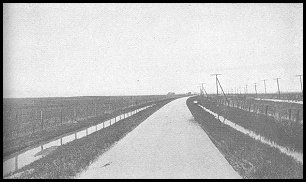
Roads have always been a crucial part of human infrastructure – from hunting trails to the earliest dirt roads for carriage travel. But as automobiles rose in production and popularity, paved roads became necessary in urban areas.
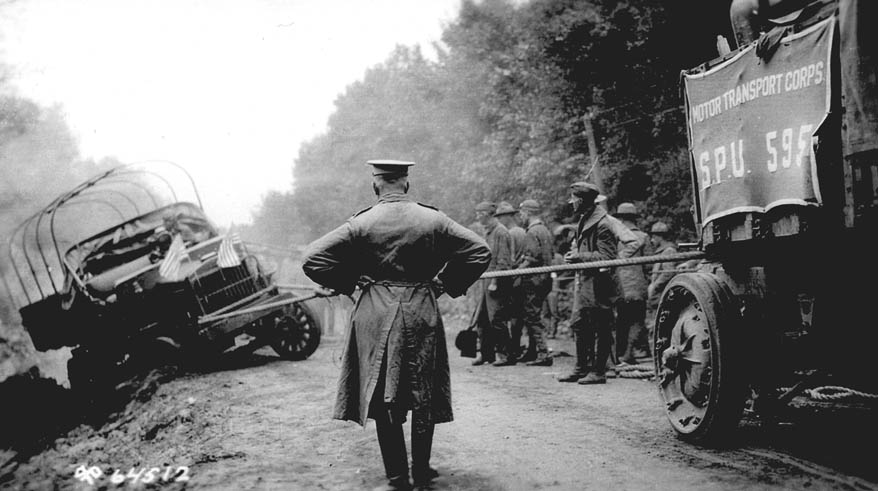
In 1919, the Army’s First Transcontinental Motor Convoy completed an expedition to test the capabilities of the American roadways for coast-to-coast transportation. After 62 days of driving 3,200 miles from Washington, D.C. to San Francisco, they concluded that American roads were not conducive to military transport, nor safe for regular use.
Congress began funding roadways and initiated construction on a national grid in 1921, and by 1926, the United States Numbered Highway System was established, funded, and maintained by individual states. These two-lane roads were quickly outgrown by the number of motorists and soon faced problems of deterioration and recurring accidents.
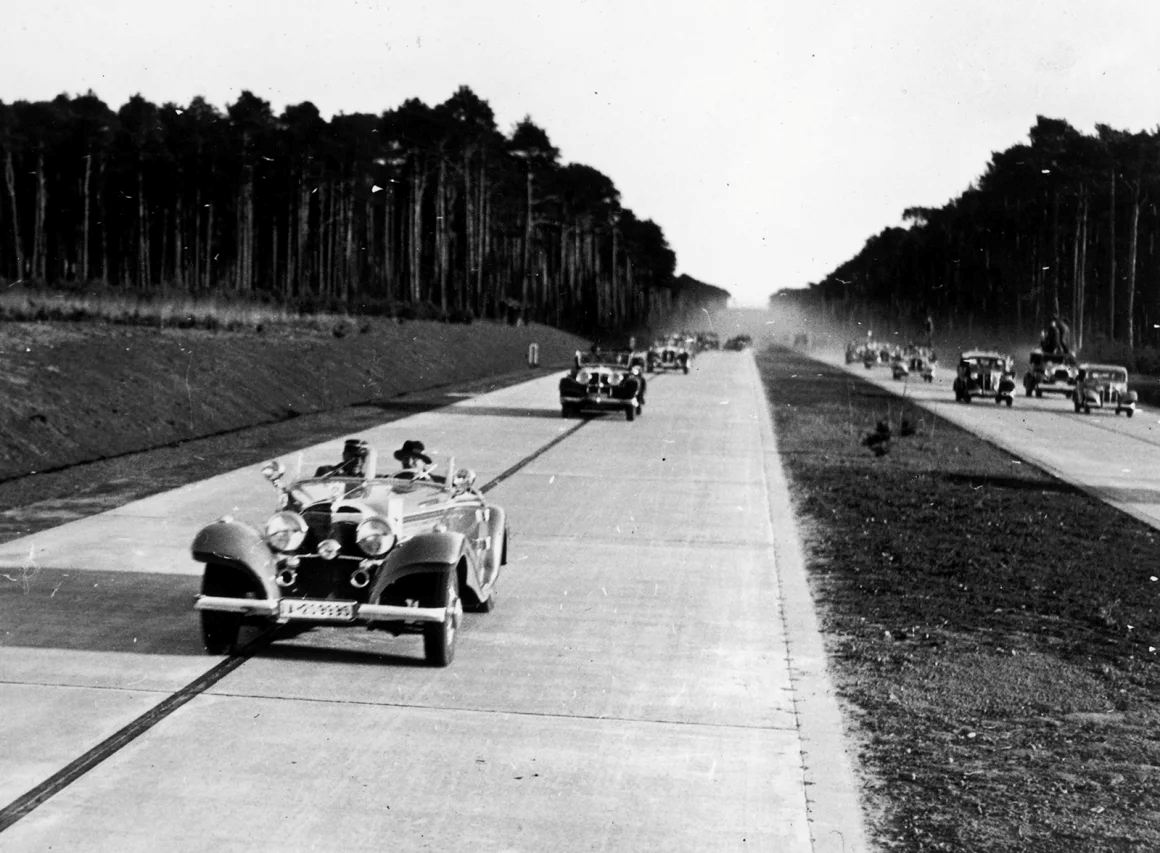
A young lieutenant colonel from the Army convoy, Dwight D. Eisenhower, never forgot his experience on the original American roadways. And, during his service in World War II, he saw firsthand the way the German Autobahn’s ability to connect cities and countries aided in the Allies’ victories.
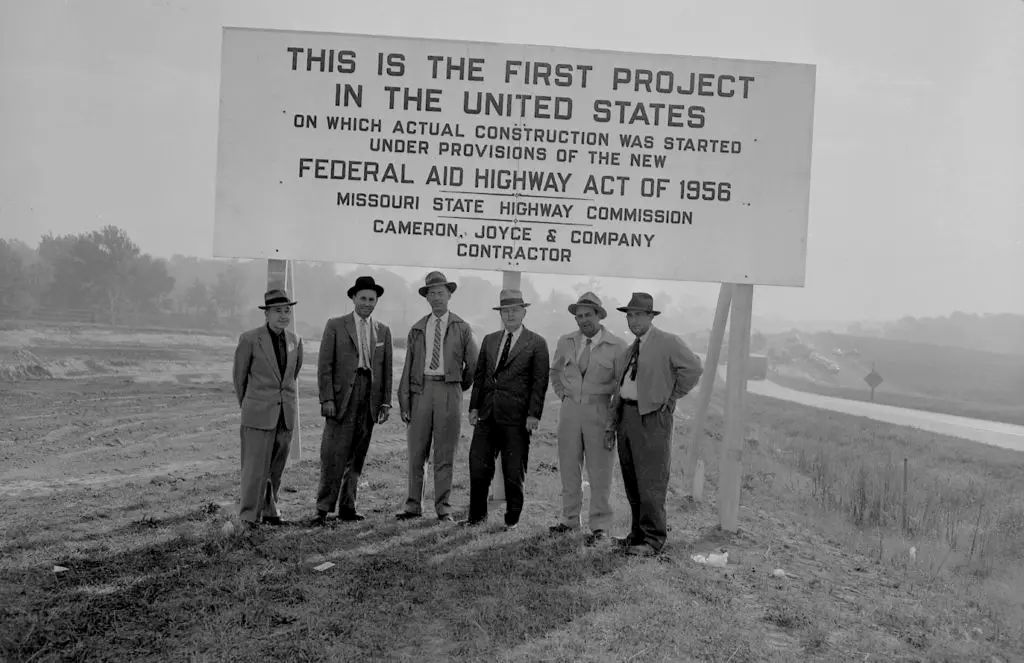
During his presidency, Eisenhower prioritized the Federal-Aid Highway Act of 1956, citing a concern for public safety, minimizing the cost of vehicle ownership, improving the economy, and national security. Even the height of the Cold War strengthened the national desire for better evacuation routes.
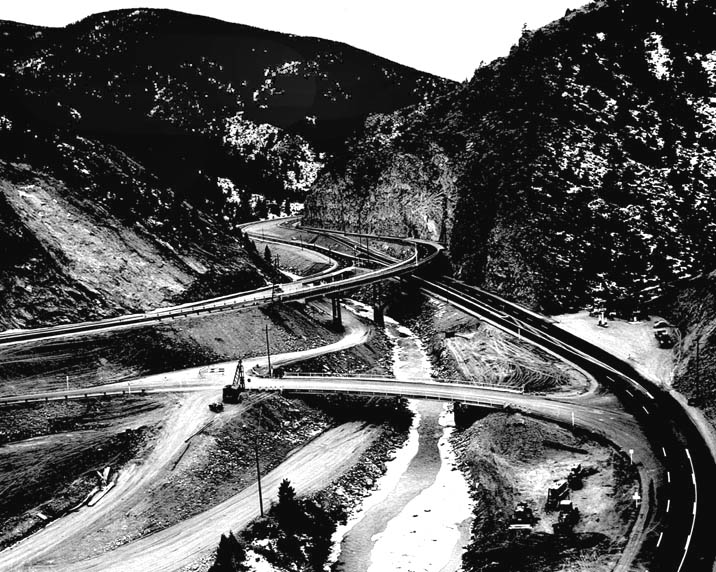
Thus began the Dwight D. Eisenhower National System of Interstate and Defense Highways, or the Interstate Highway System – a network of freeways with nationally unified standards for construction, speed limits, and signage. The project was considered complete in 1992, with 45,000 miles of highway built across the country, and has continued to expand throughout the years.
So, as you head home for the holidays and find yourself traveling from state to state on America’s highways, remember the historical events and the determination of one man that made it possible for us to stay connected.
Are you looking to merge onto a new career path? Browse the miles of opportunities at Reynolds here.